
This post from Sigurd at One Year of Letters struck at my heart. We all so easily forget that human beings are a single species, which means we're all of the same family. We need to start treating each other that way.
Author: amjusticewrites
I’m a Brooklyn-based author, lover of science and wit, sporadic scuba diver, and once and future tango dancer. My characters live only in my head, but they’re real, and I put them through hell.
Sex Scenes and Consent: Notes from the Armchair #9

Red Sofa Literary discusses the art of seduction and consent; why so many romance novels, even ones written nowadays, are rape-y; and what authors should do about it.

By Laura Zats
So here’s the thing, readers.
I’m a literary agent. I rep romance and erotica. I even read it in my spare time.
 Just kidding. I don’t have free time.
I also happen to believe that it is the MOST IMPORTANT THING for said romance and erotica novels to have verbal and enthusiastic consent given by characters prior to the start of any sex act, just as it is in real life.
“Now, wait just a minute,” some of you might say. “Consent?!? I’m not too familiar with this concept!”
Well, never fear, gentle reader. To find out about why consent is non-negotiable and what constitutes real consent, go here and, if you’re the video-watching type, go here.
Ok. Are you educated? Excellent. Now let’s talk about consent in books.
Since I’ve started as an agent, it’s been my goal to champion really excellent books that exhibit diversity, sexual health, equality…
View original post 880 more words
Elaina 10/27/14- Moving Forward
Elaina Portugal reflects on the boundaries we set for ourselves. I think she’s onto something that they’re false borders.

 October 27th, 2014
Hey Self-
Today’s letter comes from the balcony of my hotel room as I overlook the Atlantic. Living in the mountains, we don’t really have sunrises. By the time the sun peeks over the mountains, it already put on its horizon color display for people on flat land. We get a few pink clouds and then, BAM! Full sun. Sitting on the beach, watching the colors change and the arc of light form in anticipation of the sun, set the tone for serious contemplation.
For the past four days, I’ve been lucky enough to look out over the ocean and observe its vastness and wonder about the secrets that lie beneath the surface. I also had the opportunity to go to The Kennedy Space Center and view Hubble 3D in the IMAX theater and marvel at images of space and the universe. The irony struck me that…
View original post 392 more words
Fantasy and Sci-Fi You Should Watch

I love this walk through the TV guide by Steven Montano. What’s your favorite scifi or fantasy show?

Ok. I’ve spent the past couple of posts harping on about cheesy fantasy movies you should avoid…but what about some stuff you should watch?
Rather than movies, I’m going to switch to television here, and broaden the discussion to include science-fiction (because, let’s face it, there’s a hell of a lot more sci-fi than there is epic fantasy out there in TV land).
Here’s a brief list of some good stuff on TV that, in my opinion, every fan of sci-fi or fantasy should be checking out (not all of it current).
Supernatural
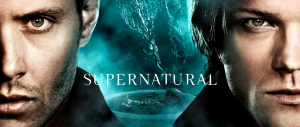
I’m not always a fan of urban fantasy/horror, but Supernatural does it right. For 10 Seasons now the Brothers Winchester have been chasing ghosts, ghouls, vampires, demons, and all sorts of other stuff that goes bump in the night, and the results are often scary, at times funny, and always entertaining. Some may argue the show has started…
View original post 546 more words
The Business of Word Count
Today on the Guild of Dreams, I muse about word counts and making words count.

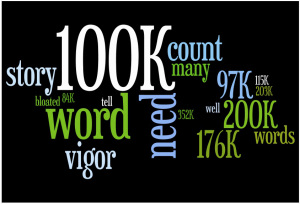
How many words do you need to tell a story well? Conventional wisdom (as stated by Chuck Sambuchino in Writer’s Digest) says a novel should be under 100,000, and one seasoned author in my circle claims that any book longer than 100K either has bloated prose or should be split into two novels.
The 100K edict serves two purposes. First, it discourages inexperienced writers from padding their narratives the way high school students pad term papers to make the assigned 10-page minimum. Second, it holds down production costs. Whether the publisher is one of the Big Five, a small independent press, or an indie author, spending more money to produce a longer book is a poor business decision, unless you can be reasonably sure people will buy it. For instance, Tolkien considered Lord of the Rings a single novel, yet it was published in three volumes because his publisher…
View original post 772 more words
The Work in Progress Blog Tour
A little more than a year ago, I began following Autumn Birt on Twitter and reading her blogs No Map Nomads and the Guild of Dreams. A wonderfully inventive fantasy and science fiction writer, Autumn has opened my eyes to the ins and outs of the indie publishing world, not to mention opened some doors … Continue reading The Work in Progress Blog Tour
It’s October, and A Wizard’s Lot Is Free
(This post also appeared on my website.) Why do authors make their books available for free? Among the indies, it's a common practice to bring our work to a wider readership. In my case, I want to get as many people to read my work as I can, and when I offer one of the Woern … Continue reading It’s October, and A Wizard’s Lot Is Free
THOUGHTS ON THE DIFFERENCE BETWEEN SCIENCE FICTION AND FANTASY
Philip Athans’ distinction between science fiction and fantasy perfectly reflects my own views on the subject. This is why The Woern Chronicles are science fiction cloaked as fantasy–I explain the magic!

In the introduction to an episode of The Twilight Zone, Rod Serling said: “It’s been said that science fiction and fantasy are two different things. Science fiction—the improbable made possible. Fantasy—the impossible made probable.”
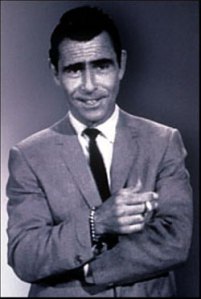 Science tells us that thing he’s holding in his hand is most likely why he died of a heart attack at age 50.
I wrote that down a couple weeks ago and have been puzzling over it ever since. “Probable,” “possible,” I’m not sure what he was getting at or who said it before him.
In the end I’m happy with whatever definition of SF and/or fantasy you’re willing to provide and am delighted by both genres both in the ways they’re different and the ways they’re the same—and the third thing: the way they interact and comingle with each other. Still, it’s an interesting question and one that is certainly germane to this blog.
You…
View original post 885 more words
Cheesy Fantasy Movies, Part 2
Steven Montano reviews more cheesy fantasy movie favorites.
Not long ago, I wrote a post about some pretty awful fantasy movies, and why we love them in spite of their ultimate cheesiness (or, quite possible, because of it). In that first post I discussed Beastmaster, Willow and Legend. Now I have three more movies to get off my chest.
Hawk the Slayer

There’s a good chance you’ve never even heard of this bizarre fantasy flick, but I’m often surprised by how many people have heard of it. This movie has “the 80s” written all over it, from the flair of the opening credits to the overly synthesized music to the mist-filled cinematography…all that’s missing is Richard Simmons and a soundtrack by Phil Collins, and we’d be all set…
The evil Voltan (Jack Palance, breathing heavily and using his scowl to terrific effect) is the scourge of the land, and when he and his men kidnap the Abbess of a…
View original post 867 more words
In the Beginning, There Was the Prologue
If you’re going to do a prologue, do it right.
A few months ago I wrote about folding backstory into a narrative to give your readers the vital information they need without hitting them over the head with a history lesson. In that post, I quoted this received wisdom:
Don’t use prologues.
That advice comes from agents and traditional publishers who believe, based on the contents of their slushpiles, that “prologue” means “deadly boring waste of my time.”
 The actual definition of prologue is a separate introductory section of a literary work. Etymologically, the word comes from the ancient Greek prologos, which described the preamble to a play that established the setting and provided background information to enhance the audience’s understanding and appreciation of the drama. The Greeks may have given the prologue its name, but I’d lay odds they didn’t invent the literary device. Knowing human beings, I imagine we’ve been prefacing our stories since people could speak.
View original post 1,024 more words
 AM Justice